Microsoft IPP driver (Internet Printing Protocol) is a driver that allows communication to happen between a computer and the printer. When you send print requests to the computer, the computer uses this driver to assign the work to the printer. This driver is very important since all the printers need and use this driver to function properly. After upgrading to Windows 11, many users report that the Microsoft IPP driver only allows greyscale and monochrome options. This allowed the printer to only print out in grey or colorless papers, even if the printer is capable of producing full-color paper. This issue is primarily due to the driver, but there are also times when there are other factors that affect this issue. So let us see some methods for fixing Microsoft IPP class driver offers no color only greyscale issue and also Microsoft IPP class driver double-sided printing.

- How to Fix Microsoft IPP Class Driver Offers No Color, Only Greyscale
- Method 1: Run Printer Troubleshooter
- Method 2: Modify Printer Settings
- Method 3: Disable Default Printer
- Method 4: Use Microsoft XPS Document Writer
- Method 5: Update Printer Drivers
- Method 6: Enable Suitable Printer Driver and Port
- Method 7: Reinstall Printer
How to Fix Microsoft IPP Class Driver Offers No Color, Only Greyscale
Below listed are the reasons for the error:
- Wrong Printer port is enabled
- Outdated Printer drivers
- Faulty Printer
- Default Printer is enabled
Method 1: Run Printer Troubleshooter
One of the first steps you need to perform when troubleshooting microsoft ipp class driver offers no color only greyscale is by using a troubleshooter. There is an inbuilt Windows Troubleshooter that consists of printer troubleshooting. You can run this troubleshooter so that Windows can detect any issues if present.
Access the Settings menu by simultaneously pressing Windows + I keys .
Click on Update and Security .

- In the left pane, click on Troubleshoot , then click on Additional Troubleshooters .

- Click on the Printer option and click on Run the troubleshooter .

- The Printer troubleshooter will search for any issues present in Windows.

- If a fix is available, click on the option Apply this fix to attempt to solve the problem.

Method 2: Modify Printer Settings
When printing, if you check the radio button named print in greyscale, you will only get grey prints. You need to select print in color to solve the issue, follow the steps below to learn how to do it.
Open Windows Settings .
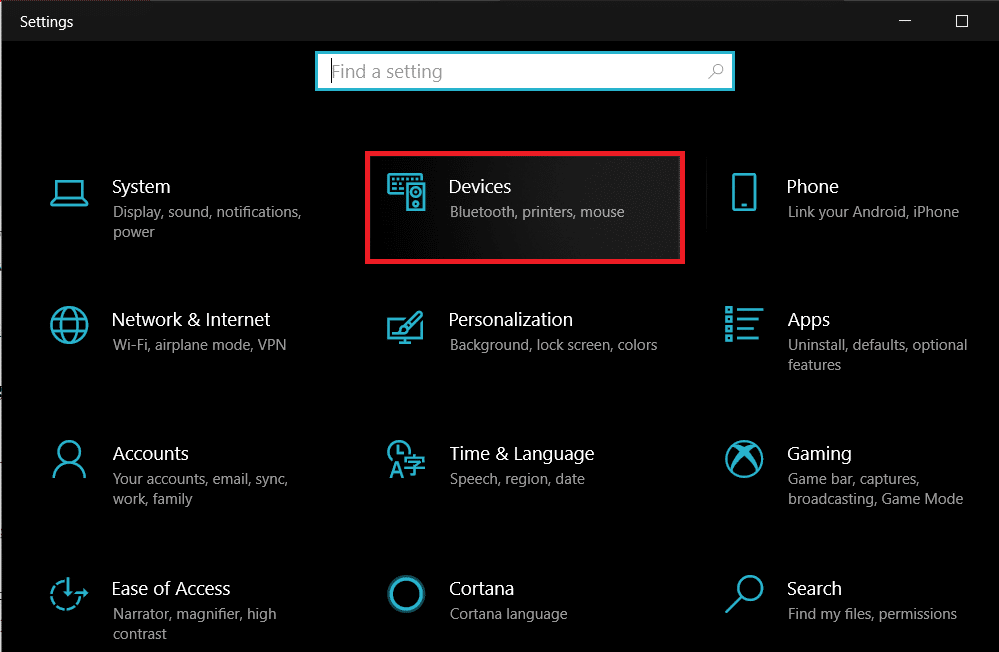
Click on Devices .

- Click on your Printer under the Printers & scanner section and click on Printing Preferences .

- Go to the Features tab and select the Print in color radio button which is present under Color options .
Method 3: Disable Default Printer
Sometimes, Windows can face errors like Microsoft IPP Class Driver only offers Grayscale issues if Windows lets itself choose the printer for the page you print. You can disable this function in settings, follow the below steps to implement the same.
Launch the Windows Settings .
Click on Devices .

Go to Printers & scanners present on the left pane.
Disable the Windows default printer by unchecking the option named Let Windows manage my default printer.

Method 4: Use Microsoft XPS Document Writer
Microsoft XPS writer is a driver that lets users create an XML format document. If you encounter Microsoft IPP Class Driver only offers Grayscale error you can try to print your documents through Microsoft XPS document Writer. Follow the steps below to do so:
- Right-click on the file you want to print, and click on the Print option.

- When you get the option to Print , click on the drop-down to Microsoft XPS Document Writer .

- Finally, click on the Print button to print the document.
Method 5: Update Printer Drivers
Most often, a faulty installation or corrupt driver can cause these problems, you can update the driver software for the printer to see if it fixes the issue on your Windows PC.
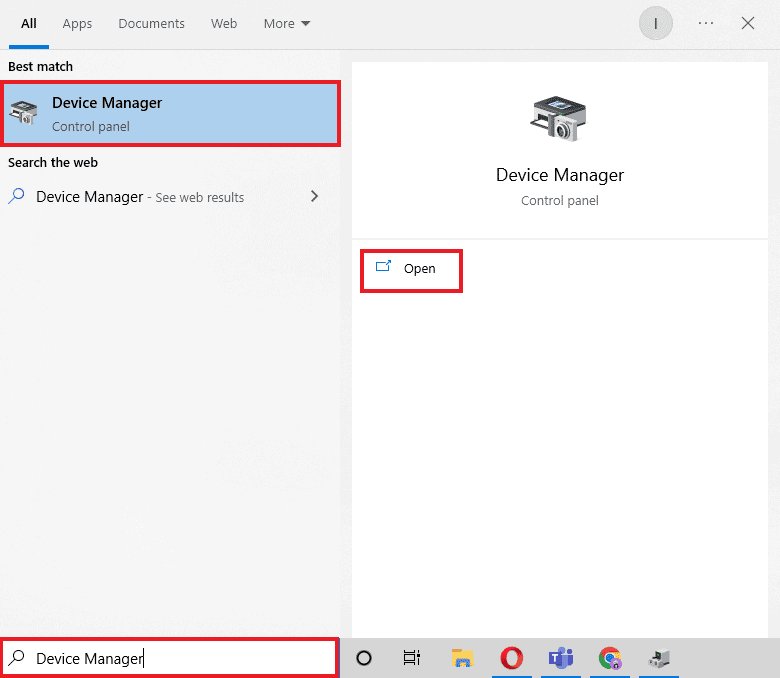
- Open Device Manager by typing in the Windows search bar. Click on Open .

- Double-click on Print queues .

Now, a list of drivers will be listed, search for your Printer driver. You can find the driver by matching the name of your driver with your printer.
Right-click on it and click on Update driver to perform the update.

- Select the option that states Browse my computer for drivers .

- Now, click on Let me pick from a list of available drivers on my computer .

- Untick the checkbox named Show compatible hardware to reveal all drivers.

Search for and select the Microsoft IPP class driver .
Click on Next to install the corresponding driver.
If your printer driver update fails, you can try automatic checking of updates. Follow the steps below:
- Right-click the printer driver and click on Update driver .

- Finally, click on Search automatically for drivers . Windows will search for a suitable driver and prompt you to download and install it if one is found.

Method 6: Enable Suitable Printer Driver and Port
You need to enter the correct port and the printer driver using the printer to prevent Microsoft IPP class driver offers no color only greyscale error.
Go to Windows Settings .
Then, go to Devices .

- Click on Printers & Scanners to see the installed printers.
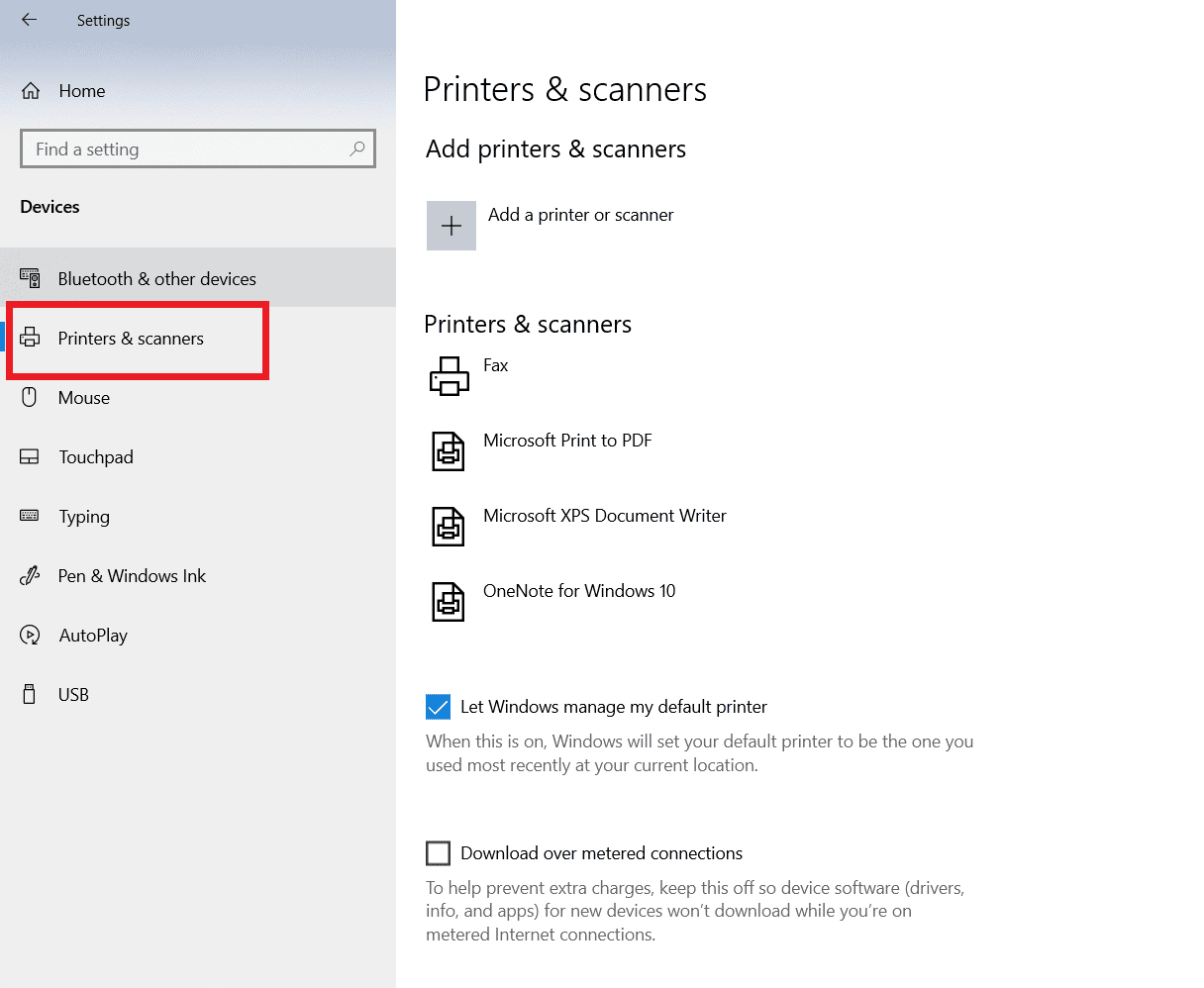
Now, search for your printer and click on it, click on Manage .
Click on Printer preferences .
The properties will be opened, navigate to the Advanced tab.
In the Driver drop-down menu, select the driver correctly.
Go to the Ports tab and tick your correct printer name.
Finally, click on Apply to save all changes made and exit.
Shut down your printer and computer and restart them and check if the issue is resolved.
Method 7: Reinstall Printer
If all the methods mentioned above don’t work, you can try re-installing the printer to see if it resolves the issue.
- Navigate to your Devices setting.

Click on Printers & Scanners present in the left pane.
Finally, search for your printer and click on the Remove button.
After restarting Windows, go to Printers & scanners menu again and click on Add a printer or scanner . Now, your printer will be detected and installed automatically.

This will fix Microsoft IPP Class Driver only offers Grayscale issue.
Q1. How can I install the Microsoft IPP class driver?
Ans. The Microsoft IPP driver can be downloaded through the Microsoft official website.
Q2. How can I change the greyscale on my printer?
Ans. To change the greyscale on printer, open the printer properties and click on the color management tab. Here, you can choose the color profile for your printer.
Q3. Why is the computer printing black and white images?
Ans. The most common problem which causes this issue is the broken installation of the drivers. Another reason is that the ink present on your computer might be problematic.
Q4. What does driver unavailable mean?
Ans. Driver unavailable signifies the point that the printer driver could either be outdated or is not compatible.
Recommended:
- Fix Hulu Not Working on Samsung TV
- How to VLOOKUP Multiple Criteria and Columns in Google Sheets
- How to Fix Can’t Print from Chrome
- 6 Fixes for Local Printer Not Showing in Remote Desktop
We hope the above article on how to fix it when Microsoft IPP Class Driver Offers No Color Only Greyscale was helpful to you and you were able to fix it. Drop a comment about which method worked best for you. If you have any issues/queries drop them in the comment section below, Thanks.
Windows updates are extremely important as they bring about a number of bug fixes and new features. Although, sometimes they might end up breaking a few things which worked just fine previously. New OS updates can often lead to some issues with external peripherals, particularly printers. Some common printer related problems you might experience after updating Windows 10 are printer not showing up in connected devices, unable to perform the print action, print spooler not running, etc.
Your printer woes can be due to a number of reasons. The most common culprits are outdated or corrupt printer drivers, problems with print spooler service, the new Windows update doesn’t support your printer, etc.
Fortunately, all your printer problems can be fixed by implementing some easy yet quick solutions. We have listed down five different solutions that you can try to get your printer to print again.

- How to fix various printer problems in Windows 10?
- Method 1: Run the Printer Troubleshooter
- Method 2: Delete the temporary files (Print Spooler) associated with your printer
- Method 3: Set a Default Printer
- Method 4: Update Printer Drivers
- Method 5: Remove and Add the Printer Again
How to fix various printer problems in Windows 10?
As mentioned earlier, there are a few different culprits that might be causing printer problems in Windows 10. Most users can solve these difficulties by running the built-in troubleshooter tool for printers. Other solutions include deleting temporary spool files, manually updating printer drivers, uninstalling and reinstalling the printer, etc.
Before we start implementing the more technical solutions, ensure that the printer and your computer are properly connected. For wired printers, check the condition of the connecting cables and make sure they are firmly connected & in their designated ports. Also, as trivial as it sounds, simply removing and reconnecting wires can also resolve any external device-related issues. Gently blow air into the ports to remove any dirt that might be clogging the connection. As for wireless printers, ensure that the printer and your computer are connected to the same network.
Another quick solution is to power cycle your printer. Turn off the printer and disconnect its power cable. Wait for about 30-40 seconds before plugging the wires back in. This will resolve any temporary issues and start the printer afresh.
If both of these tricks didn’t work, then it is time to move on to the advanced methods.
Method 1: Run the Printer Troubleshooter
The easiest and quickest way to solve any problem with a device or a feature is to run the troubleshooter associated with it. Windows 10 includes a troubleshooter tool for a wide variety of issues, and printer problems are also one of them. The printer troubleshooter automatically performs a number of actions like restarting the print spooler service, clearing corrupted spooler files, checking whether the existing printer drivers are outdated or corrupt, etc.
- The printer troubleshooter can be found within the Windows Settings application. To open Settings , press the Window key (or click on the start button) and then click on the cogwheel Settings icon above the power icon (or use the combination Windows key + I ).

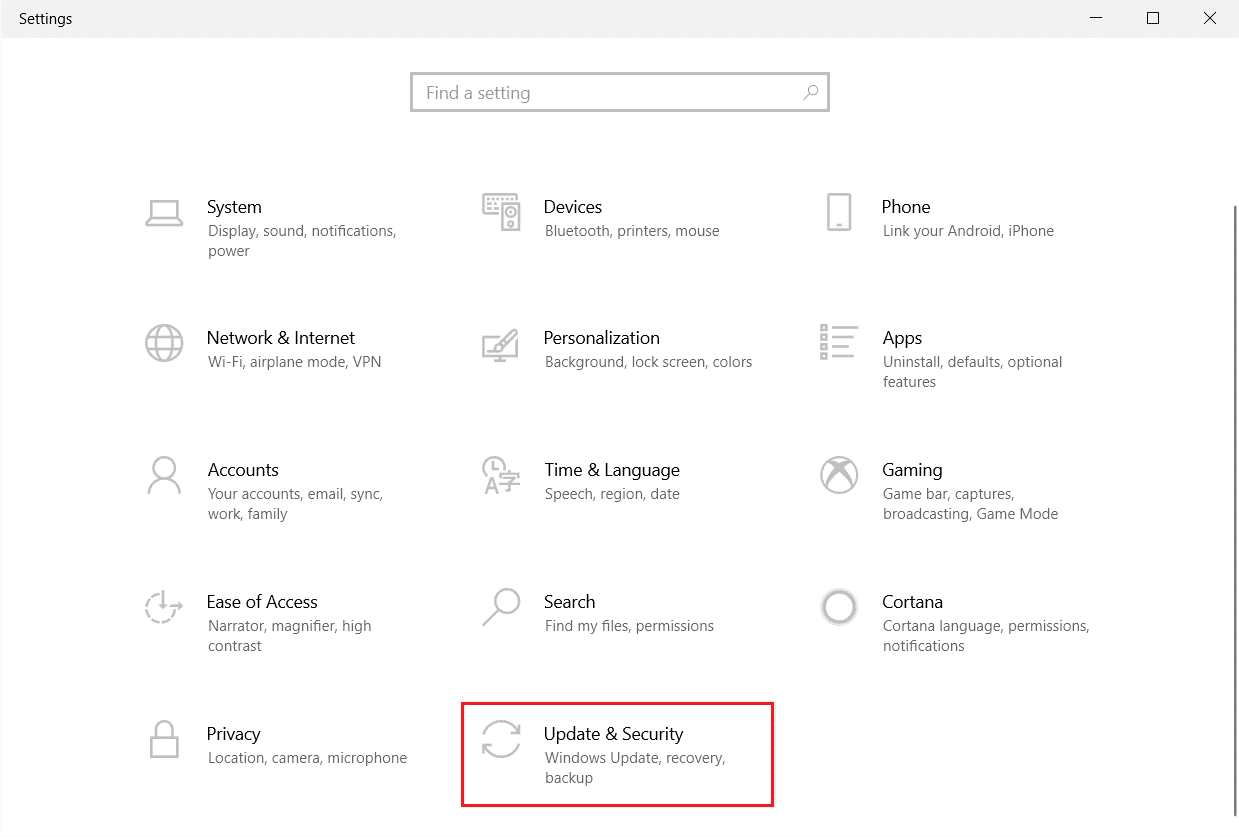
- Now, click on Update & Security .
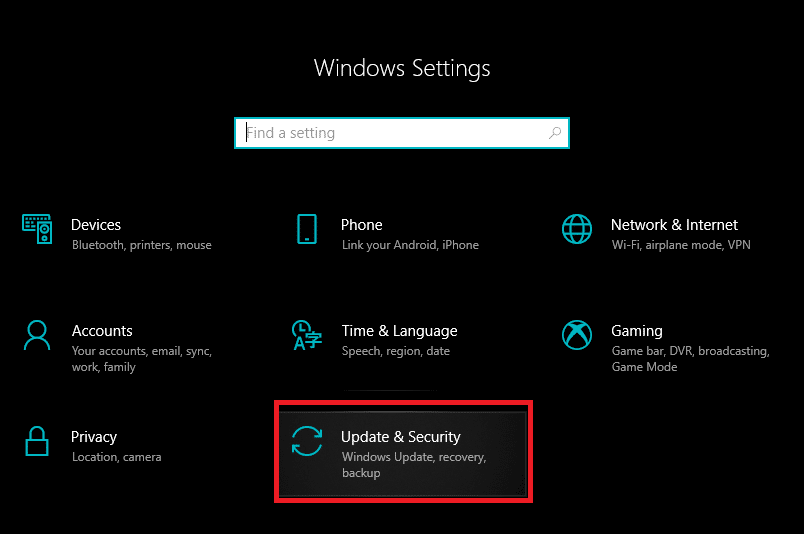
Switch to the Troubleshoot settings page by clicking on the same from the left-hand panel.
Scroll down on the right side until you find the Printer entry. Once found, click on it to open up available options and then select Run the troubleshooter .

Depending on the Windows version you are currently running, the Printer troubleshooter tool might be absent altogether. If that’s the case, click on the following link to download the required troubleshooter tool.
Once downloaded, click on the Printerdiagnostic10.diagcab file to launch the troubleshooter wizard, select Printer , and click on the Advanced hyperlink at the bottom left.

- In the following window, tick the box next to Apply repairs automatically and click on the Next button to start troubleshooting your printer.

Once you have completed the troubleshooting process, restart your computer, and then try using the printer.
Method 2: Delete the temporary files (Print Spooler) associated with your printer
Print spooler is a mediating file/tool that coordinates between your computer and the printer. The spooler manages all the print jobs you send to the printer and lets you delete a print job that is still being processed. Problems might be encountered if the Print Spooler service is corrupted or if the spooler’s temporary files become corrupt. Restarting the service and deleting these temporary files should help in fixing printer problems on your computer.
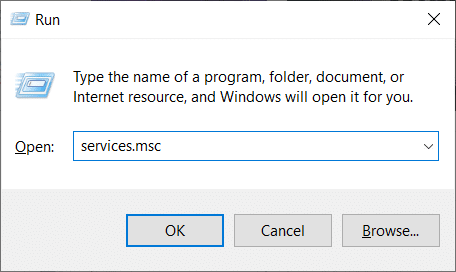
- Before we delete the print spooler files, we will need to halt the Print Spooler service that constantly runs in the background. To do so, type services.msc in either the run ( Windows key + R ) command box or the Windows search bar and hit enter. This will open up the Windows Services application .
Scan the list of Local Services to find the Print Spooler service. Hit the P key on your keyboard to jump ahead to the services starting with the alphabet P.
Once found, right-click on the Print Spooler service and select Properties from the context menu (or double-click on a service to access its Properties)

- Click on the Stop button to halt the service. Minimize the Services window instead of closing as we will need to restart the service after deleting the temporary files.

- Now, either open up the Windows File Explorer (Windows key + E) and navigate to the following path – C:\WINDOWS\system32\spool\printers or launch the run command box, type %WINDIR%\system32\spool\printers and press OK to reach the required destination directly.

Press Ctrl + A to select all the files in the printers folder and hit the delete key on your keyboard to delete them.
Maximize/switch back to the Services application window and click on the Start button to restart the Print Spooler service.

You should now be able to fix your printer problems and be able to print your documents without any hiccups.
Method 3: Set a Default Printer
It is also quite possible that your printer is working just fine, but you have been sending the print request to the wrong printer. This might be the case if there are multiple printers installed on your computers. Set the one you are trying to use as the default printer to resolve the issue.
- Press the Windows key and start typing Control Panel to look for the same. Click on Open when search results return.
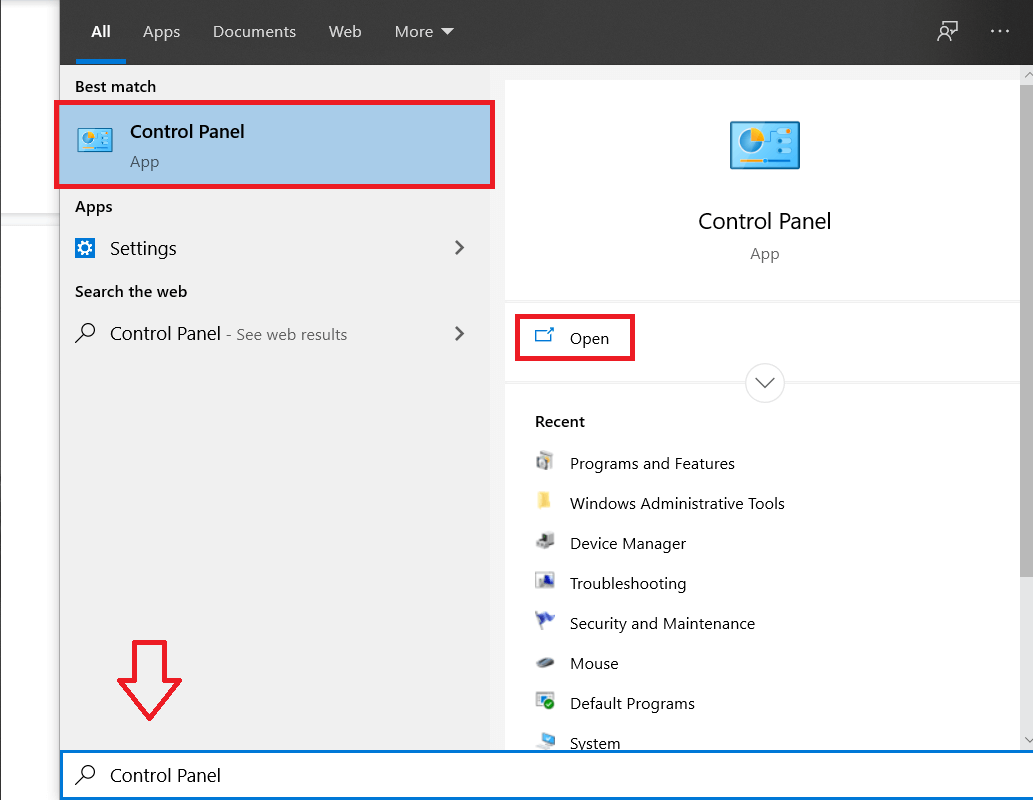
- Select Devices & Printers .

- The following window will contain a list of all the printers you have connected to your computer. Right-click on the printer you would like to use and choose Set as default printer .

Method 4: Update Printer Drivers
Every computer peripheral has a set of software files associated with it to communicate with your computer and the OS effectively. These files are known as device drivers. These drivers are unique for each device and manufacturer. Also, it is important to have the correct set of drivers installed in order to use an external device without facing any issues. Drivers are also constantly updated to stay compatible with the new Windows versions.
The new Windows update you just installed might not support the old printer drivers, and therefore, you will need to update them to the latest available version.
- Right-click on the start button or press Windows key + X to bring up the Power User menu and click on Device Manager .

Click on the arrow next to Print queues (or Printers) to expand it and have a look at all your connected printers.
Right-click on the problematic printer and select Update Driver from the ensuing options menu.

- Select ‘ Search Automatically for updated driver software ’ in the resulting window. Follow any on-screen instructions you might receive to install the updated printer drivers.

You can also choose to install the latest drivers manually. Visit the driver downloads page of your printer manufacturer, download the required drivers, and run the downloaded file. Printer driver files are usually available in .exe file format, so installing them doesn’t require any additional steps. Open the file and follow the instructions.
Method 5: Remove and Add the Printer Again
If updating drivers didn’t work, you might need to completely uninstall the existing drivers and the printer and then reinstall them. The process of doing the same is simple but rather lengthy but this seems to fix some of the common printer problems. Anyway, below are the steps to remove and add your printer back.
- Open the Settings application (Windows key + I) and select Devices .
Move to the Printers & Scanners settings page.
Find the problematic printer in the right-side panel and single click on it to access its options. Select Remove Device , let the process complete, and then close Settings.

- Type Print Management in the Windows search bar (Windows key + S) and press enter to open the application.

- Double-click on All Printers (in the left panel or right panel, both are fine) and press Ctrl + A to select all connected printers.

- Right-click over any printer and select Delete .

Now, it is time to add the printer back, but first, unplug the printer cable from your computer and perform a restart. Once the computer boots back on, properly reconnect the printer.
Follow step 1 and step 2 of this method to open Printer & Scanner settings .
Click on the Add a printer & scanner button at the top of the window.

- Windows will now automatically start looking for any connected printers. If Windows successfully detects the connected printer, click on its entry in the search list and select Add device to add it back otherwise, click on The printer that I want isn’t listed hyperlink.

- In the following window, select the appropriate option by clicking on its radio button (For example, select ‘My printer is a little older. Help me find it’ if your printer doesn’t use USB for connection or select ‘Add a Bluetooth, wireless, or network discoverable printer’ to add a wireless printer) and click on Next .

- Follow the following on-screen instructions to reinstall your printer .
Now that you have successfully reinstalled your printer, let’s print a test page to ensure everything is right back on track.
Open up Windows Settings and click on Devices .
On the Printers and Scanners page, click on the printer you just added back and would like to test, followed by a click on the Manage button.

- Finally, click on the Print a test page option. Muffle your ears & listen carefully for the sound of your printer printing a page and rejoice.

Recommended:
- Fix Windows 7 Updates Not Downloading
- 10 Best Extratorrent.CC Alternative in 2020
- Fix Fallout New Vegas Out of Memory error

- How to Fix Error Printing in Windows 10
- What Causes Error Printing Message?
- What Causes Printer Status Error Printing on Windows 10?
- Method 1: Troubleshoot Hardware Issues
- Method 2: Troubleshoot Printer Connection
- Method 3: Run Printer Troubleshooter
- Method 4: Verify Printer Port Settings
- Method 5: Disable Print Spooler Service
- Method 6: Change Print Spooler Service Recovery Options
- Method 7: Update Printer Drivers
- Method 8: Roll Back Printer Driver Updates
- Method 9: Reinstall Printer Drivers
- Method 10: Reinstall Printer Drivers in Compatibility mode
- Method 11: Update Windows
- Method 12: Reconnect Printer
How to Fix Error Printing in Windows 10
The Error Printing message is generally caused by a loose connection or outdated printer drivers. When this dialogue box appears on your screen, it could be accompanied by an error code for reference or no code. Make sure to not confuse this issue with the Missing or Damaged ink cartridge errors. These are the different steps that you can use on your Windows 10 computer to solve the Error Printing message errors.
What Causes Error Printing Message?
We have listed the possible reasons that may cause the said error message in your PC.
- Windows 10 network printer error
- Windows cannot connect to the printer
- Status error printing
- Printer in error state
- Error printing wireless printer
- Printer error 0x00000709 in Windows 10
- Error printing HP/Brother/Canon/Epson
- Error printing Windows 10/11/7
- Printing issues with Windows 10 update
- Error printing PDF Windows 10
- Error printing restarting Windows 10
What Causes Printer Status Error Printing on Windows 10?
Here are some indispensable reasons that cause error printing message on your Windows 10 PC. Read them carefully to find which one troubles you.
- Printer is not turned on
- Printer is not connected to your computer
- The Wi-Fi or USB connection is not set properly
- A loose connection or outdated USB drivers also causes trouble
- Few essential services are not running on your PC
Here are some amazing hacks that will help you fix error printing message. But, before following the below-mentioned methods, reboot your Windows 10 PC to resolve any temporary glitches associated with the device. If you did not attain any fix for the issue after rebooting your computer, follow the below-mentioned methods.
Method 1: Troubleshoot Hardware Issues
Paper and ink are two essential components in the printing process. You have to place the paper on the tray and this will be pulled out of the device. Once the paper is printed, it will be again pulled out of the device. If any of these factors do not meet, then you will face the discussed problem.
If there is any damage to the paper tray, the device will fail to pull the paper, and result in an error printing Windows 10 message. Check if the paper tray is empty and broken. Replace the paper tray if broken.
If you find the tray is knocked out of its position, you can fix this easily by placing the paper tray in proper position . On the other hand, if the tray is broken, seek professional help to repair it.

Method 2: Troubleshoot Printer Connection
When you face printer status error printing error, the device wants to tell users that there is something wrong with the communication established between the printer and the system through the USB cable or network connection. To solve printer status error Windows 10 issue ensure whether the following steps are satisfied or not.
To restart your printer , switch off the power supply of the printer & then switch it ON again.
Now again check the connection of your printer .
If you have connected your printer using a USB cable, make sure your cable is working properly and the connections to the ports are fitted tight . You could also switch the USB port to see if this resolves the problem.
If you have connected your printer through wired networks, check whether the connection to your cable is properly done or not . Also, you can check whether the signal to your printer is flashing or not.
If the connection of your system with the printer is made through a wireless network, make sure your printer is connected to your computer network & the wireless icon will lit-up to show that you are connected.

Method 3: Run Printer Troubleshooter
The easiest and quickest way to solve any problem with a device or a feature is to run the troubleshooter associated with it. Windows 10 includes a troubleshooter tool for a wide variety of issues, and printer problems are also one of them. The printer troubleshooter automatically performs several actions like restarting the print spooler service, clearing corrupt spooler files, checking whether the existing printer drivers are outdated or corrupt, etc.
Press Windows + I keys to open Settings .
Now, click on Update & Security .

Switch to the Troubleshoot settings page by clicking on the same from the left-hand panel.
Select Printer under the Get up and running menu and follow the on-screen instructions to run the printer troubleshooter.

Check if you have fixed error printing Windows 10 issue.
Method 4: Verify Printer Port Settings
Few users have suggested that printer status error Windows 10 can be resolved by tweaking some printer port settings as instructed below.
- Hit the Windows key and type Control panel . Then, click on Open .

- Set View by > Category , then click on the View devices and printers option.

- Now, right-click on your printer and select Properties .

Switch to the Ports tab and find the port to which your device is connected.
Then, click the checkbox that hosts the USB pin of the printer.
Save the changes by clicking Apply and OK .
Note: It is also quite possible that your printer is working just fine, but you have been sending the print request to the wrong printer. This might be the case if there are multiple printers installed on your computers. Set the one you are trying to use as the default printer to resolve the issue. Hence, right-click on your printer and select Set as default printer .

Method 5: Disable Print Spooler Service
A print spooler is a mediating file/tool that coordinates between your computer and the printer. The spooler manages all the print jobs you send to the printer and lets you delete a print job that is still being processed. Problems might be encountered if the Print Spooler service is corrupted or if the temporary files of the spooler become corrupt. Restarting the service and deleting these temporary files should help in fixing error printing Windows 10 problems on your computer.
- Before we delete the print spooler files, we will need to halt the Print Spooler service that constantly runs in the background. To do so, hit the Windows key and type Services . Then, click on Open .

- Scan the list of Local Services to find the Print Spooler service. Once found, right-click on the Print Spooler service and select Properties from the context menu (or double-click on a service to access its Properties)

- Click on the Stop button to stop the service.
Note: Minimize the Services window instead of closing as we will need to restart the service after deleting the temporary files.

- Now, open up the Windows File Explorer by hitting the Windows + E keys together and navigate to the following path .
C:\WINDOWS\system32\spool\printers
Note: You can also launch the run command box, type %WINDIR%\system32\spool\printers command and hit Enter key to reach the required destination directly.

Press Ctrl + A keys simultaneously to select all the files in the printers folder and hit the delete key on your keyboard to delete them.
Maximize/switch back to the Services application window and click on the Start button to restart the Print Spooler service.

You should now be able to fix printer status error printing message and be able to print your documents without any issues.
Method 6: Change Print Spooler Service Recovery Options
Any incorrect recovery settings configuration of the print spooler service may also cause printer status error printing with your device. Therefore, you need to make sure that recovery settings are correct otherwise Printer spooler will not start automatically.
Open the Services window as you did in the previous method.
Locate Print Spooler then right-click on it and select Properties.

- Switch to the Recovery tab and ensure that three failure tabs are set to Restart the Service.

- Click Apply followed by OK to save the settings. Now see if you’re able to fix printer status error Windows 10.
Method 7: Update Printer Drivers
Every computer peripheral has a set of software files associated with it to communicate with your computer and the OS effectively. These files are known as device drivers. These drivers are unique for each device and manufacturer. Also, it is important to have the correct set of drivers installed to use an external device without facing any issues. Drivers are also constantly updated to stay compatible with the new Windows versions. If your drivers are not updated to their latest versions, update them by following our guide How to Update Device Drivers on Windows 10 .

Method 8: Roll Back Printer Driver Updates
Sometimes, the current version of printer drivers may cause any conflicts and in this case, you have to restore previous versions of installed drivers. This process is called rollback of drivers and you can easily roll back your computer drivers to their previous state by following our guide How to Rollback Drivers on Windows 10 .

Wait until the previous versions of drivers are installed on your Windows 10 PC. Once done, check if you have fixed error printing Windows 10 issue.
Method 9: Reinstall Printer Drivers
Incompatible drivers must be reinstalled to resolve error printing message problems. You are advised to reinstall device drivers only if you cannot attain any fix by updating them. Steps to reinstall drivers are very easy and you can do so by using a third-party application or by implementing the steps manually as instructed in our guide How to Uninstall and Reinstall Drivers on Windows 10

After reinstalling printer drivers, check if you can hear audio from Logitech speakers.
Method 10: Reinstall Printer Drivers in Compatibility mode
Few users have suggested that re-installing printer drivers in compatibility mode have helped them fix printer status error printing issue. Here are a few instructions regarding the same.
- Click on the Windows key and type Device manager . Then, click on Open .

- Expand Print queues then right-click on your Printer device and select Uninstall device .

If you’re prompted to confirm then again click on the Uninstall button.
Now go to your printer driver download webpage (e.g. HP ) and download the latest drivers for your printer.
Right-click on the setup file and select Properties.

Note: If the drivers are in a zip file make sure to extract all the files and then right-click on the .exe file.
Switch to the Compatibility Tab and click on Run this program in Compatibility mode .
From the drop-down select Windows 7 or 8 and then click on Run this program as an administrator .

Finally, double-click on the setup file and wait for the drivers to be installed on your device.
Once finished, reboot the PC and see if you can fix printer status error Windows 10 issue.
Method 11: Update Windows
Also, if there are any bugs in your PC, they can only be fixed after a Windows update . Microsoft releases regular updates to fix all these bugs thereby fixing error printing Windows 10 issue. Hence, ensure if you have updated your Windows Operating System and if any updates are pending in action, use our guide How to Download and Install Windows 10 Latest Update

After updating your Windows Operating System, check whether printer status error Windows 10 issue is resolved.
Method 12: Reconnect Printer
If all these steps do not work to fix printer status error Windows 10, you might need to completely uninstall the existing drivers and the printer and then reinstall them. The process of doing the same is simple but rather lengthy but this seems to fix error printing message on your Windows PC. Anyway, below are the steps to remove and add your printer back.
- Open the Settings application by pressing the Windows + I keys together and select Devices as shown.

Move to the Printers & scanners settings in the left pane.
Find the problematic printer in the right-side panel and single click on it to access its options. Select Remove Device , let the process complete, and then close Settings.

- Type Print Management in the Windows search bar and click Open to launch the application.

- Double-click on All Printers (in the left panel or right panel, both are fine) and press Ctrl + A to select all connected printers.

- Right-click over any printer and select Delete .

Now, it is time to add the printer back, but first, unplug the printer cable from your computer and perform a restart. Once the computer boots back on, properly reconnect the printer.
Follow the above steps 1 and 2 to open the Printer & Scanner settings.
Click on the Add a printer & scanner button at the top of the window.

- Windows will now automatically start looking for any connected printers. If Windows successfully detects the connected printer, click on its entry in the search list and select Add device to add it back otherwise, click on The printer that I want isn’t listed hyperlink.

- In the following window, select the appropriate option by clicking on its radio button (For example, select My printer is a little older. Help me find it if your printer doesn’t use USB for connection or select Add a Bluetooth, wireless, or network discoverable printer to add a wireless printer) and click on Next .

- Follow the on-screen instructions to reinstall your printer .

Now that you have successfully reinstalled your printer, try printing a test page to ensure everything is right back on track.
Open up Windows Settings and click on Devices .
On the Printers and Scanners page, click on the printer you just added back and would like to test, followed by a click on the Manage button.

- Finally, click on the Print a test page option. Muffle your ears & listen carefully for the sound of your printer printing a page and rejoice.

Recommended:
- Fix Unable to Install GarageBand on iOS
- Fix Error Code 0x80d0000a in Windows 10
- Fix Photoshop Dynamiclink Not Available in Windows 10
- Where is the WPS Button on Canon Printer?
Microsoft frequently rolls out updates for Windows 10 to improve the operating system on various functionalities such as system efficiency, security, stability, etc. Although each bug brings a host of improvements to the operating system, it also brings new bugs that plague many users. One of these is the Windows update released in March 2021, update KB500080. This update caused many issues with the printer drivers already installed in the system. Users reported errors like Windows update for printer drivers not working. These printer installation issues were so prominent and serious that some users even reported receiving BSOD (Blue Screen of Death – the screen displayed after a system crash due to Windows failure) while printing. This made printing impossible. If you are wondering how to solve this Windows update can’t get list of devices issue, you are at the right article. Here, we discuss the possible causes and some potential solutions so we can tackle this error. Let’s get started!

- How to Fix Printer Installation Issues in Windows 10
- Method 1: Discharge Printer
- Method 2: Run Printer Troubleshooter
- Method 3: Update Device Drivers
- Method 4: Manually Install Generic Drivers
- Method 5: Restart Print Spooler Service
- Method 6: Install Drivers from Windows Update Catalog
- Method 7: Reinstall Printer
How to Fix Printer Installation Issues in Windows 10
Before getting onto the fixes, let us see some causes for this issue:
- Printer is old and has no latest software support
- Windows update bug
- Issues with printer service
- Issues with printer drivers and software
- Printer is incorrectly connected
Method 1: Discharge Printer
You can try discharging the printer of all electricity by removing it from the main switch, removing it from the computer for 2–5 minutes, and connecting it back again. Make sure to properly connect the printer to the main switch and the computer before turning it off, and check if the issue is fixed.
Method 2: Run Printer Troubleshooter
There is an in-built Windows troubleshooter for printer issues. You can access it easily by accessing settings. Running printer troubleshooter will resolve Windows update for printer drivers not working issue.
Press Windows + I keys simultaneously to launch Settings .
Click on the Update & Security tile, as shown.
Go to Troubleshoot menu in the left pane.
Select Printer troubleshooter and click on Run the troubleshooter button shown highlighted below.
- Wait for the troubleshooter to detect and fix the problem. Once the process is complete, click Apply this fix and restart your PC .
Windows will automatically search for any problems and attempt to fix them automatically. Also, you can run Hardware and Devices Troubleshooter on Windows 10 to resolve the issue.

Method 3: Update Device Drivers
As Windows users reported errors after the Windows update, there could be problems with the printer driver. Updating printer drivers could be a potential fix. Various methods to update the printer drivers are highlighted below if one of them does not work for you.
Read our guide on How to Update Device Drivers on Windows 10 and implement the different methods given in this link for printer devices.

Note : If your printer came with an installation disc, it could be a driver installation disc. Insert it into your DVD/CD driver and follow the onscreen instructions to install the driver.
Method 4: Manually Install Generic Drivers
If you have an old printer or your manufacturer has not yet released a driver for Windows 10, printer installation issues can occur. This can be an ongoing issue since the printer will be unusable without proper usable driver software. In this scenario, Windows will automatically install Generic drivers suitable for your printer. If not, then you can install them manually.
- Press the Windows key , type Device Manager , and click on Open .
- Under the Print queues section, right-click on Microsoft XPS writer and select the Update driver option.

- Click on the Browse my computer for driver software option.

- Next, click on Let me pick from a list of available drivers on my computer .

- Finally, choose Generic software device and click on Next .

This will install the required driver and fix the printer installation issue.
Method 5: Restart Print Spooler Service
When a Windows user sends print requests to the printer, the print spooler is the software that manages these requests sent by the user. Resetting it can be a potential solution. Follow the below steps:
Hit the Windows + R keys together to open the Run dialog box.
Type services.msc and click on OK to launch the Services window.

- Right-click on Print Spooler and click on Stop to stop the service.

Now, navigate to the Run dialog box again by simultaneously pressing Windows + R keys .
Enter the below command and click on OK .
%WINDIR%\system32\spool\printers

Select all the files in the folder by holding Ctrl + A keys simultaneously.
Now, press Shift + Delete to delete all the files present in that folder permanently.
Go back to the Services window and double-click on the Print Spooler service.

Make sure the Startup type drop-down is set to Automatic .
Finally, click on Start under the Service status section.

- Click on Apply > OK to confirm.
Check if Windows Update can’t get list of devices issue gets resolved or not.
Method 6: Install Drivers from Windows Update Catalog
Sometimes, using a generic driver does not help and might still throw up printer installation issues. If you face issues with the printer and you have an old printer, then you can try an official Microsoft Windows Update Catalog. Here, the updates are archived so year-old drivers can easily download and use them. Let us see how to use it.
Go to the Microsoft Catalog website in a browser.
Type the model of your printer (e.g. HP LaserJet 4000 ) and click on Search to search drivers for your hardware.
If you find the driver for your hardware, click on Download .

- Here, click on the cab link to download the driver.

Right-click on the downloaded file and choose Extract .
Update your printer driver manually by locating the folder where you extracted the drivers.
Method 7: Reinstall Printer
You can reinstall the printer completely from the start to see if that works. This involves removing the printer and device driver with all powers and connecting them back.
- Hit the Windows key , type Control Panel , then click on Open .

- Set View by > Category , then click on View devices and printers .

Under the Printers section, right-click on your printer .
Choose the Remove device option.

Click on Yes in the UAC prompt to remove the device.
Now, reboot the PC and reconnect your printer.
Go to Devices and Printers and right click on the printer and select Set as default printer .

This will solve printer installation issues.
Recommended:
- Fix Daemon Tools Unable to Access Image File MDF
- Fix Epson Scanner Cannot Communicate in Windows 10
- Fix Error Printing in Windows 10
- Where is the WPS Button on Canon Printer?
We hope that this article was helpful, and you were able to resolve printer installation issues in Windows 10. If you have any doubts or suggestions, comment below. Also, let us know what you want to learn next.
Google Chrome is not only a useful, reliable, and fast browser that most people use as their default browser for a variety of extensions but it also offers multiple other features that are very convenient to use. Inarguably, it is one of the most used online services. Google Chrome also provides users to print any open tabs in Chrome using Google Cloud Print. While it is a great feature, some users have been struggling to use this ability to print directly from Chrome. If you are someone facing the same issue, then we have brought you a perfect guide that will help you fix can’t print from Chrome issue on your PC. In our today’s guide, we will cover points on topics like the reasons behind Chrome print preview not working and multiple fixes for Chrome print preview not loading. So, if you have no idea how to fix the Chrome print loading preview stuck, let us begin with our guide right away and get you familiar with different ways to resolve this issue.

- How to Fix Can’t Print from Chrome
- Methods to Fix Chrome Print Preview Not Loading
- Method 1: Basic Troubleshooting Methods
- Method 2: Clear Browsing Data
- Method 3: Remove Printers Not in Use
- Method 4: Run SFC and DISM Scan
- Method 5: Disable Antivirus
- Method 6: Change Temp Folder Permissions
- Method 7: Update/Reinstall Drivers
- Method 8: Run Troubleshooter
- Method 9: Reset Chrome
- Method 10: Reinstall Chrome
How to Fix Can’t Print from Chrome
If your Chrome print preview is not working in Windows 10/11, there can be several reasons behind it.
- Corrupt browsing data on your PC can be the very first reason behind this issue.
- Another reason can be misconfigured settings of your browser.
- Conflicting processes and applications can also interfere with the Chrome print feature.
- For some users, the problem persists due to the faulty printer as well.
Methods to Fix Chrome Print Preview Not Loading
If you have been struggling to make your Chrome printing feature work due to an error, we are here with some reliable and tested fixes that will help you to get back to printing easily. Let us have a look at these Chrome printing fixes below:
Method 1: Basic Troubleshooting Methods
- Use Ctrl + Shift + P Shortcut
The very first method or rather a workaround that can be attempted in case you can’t print from Chrome is to use the shortcut, Ctrl + Shift + P. It is also one of the fastest ways to fix this issue. Follow the steps below to imply this shortcut:
Launch the Google Chrome browser on your PC and open the file that you would like to print.
Now, press Ctrl + Shift + P keys together to give the print command.
Now, select the preferred printing destination and other settings .
- Restart Google Chrome
If the workaround did not fix anything for you and you are still struggling with the Chrome print loading preview stuck issue then you must try restarting your Chrome browser. Restarting the browser helps in troubleshooting minor glitches that may be behind this problem. To restart Chrome, follow the steps below:
Launch Google Chrome on your system.
Now, type chrome://restart in the address bar at the top of the browser screen and press enter.

This will help you to close all the tabs and extensions running on the browser and then restart them.
Method 2: Clear Browsing Data
The next fix involves clearing the browsing data of your Google Chrome browser. As is possible with other browsers too, Google Chrome can also accumulate cache and cookies that improve your browsing experience. However, when this stored data becomes corrupt or old, it can interfere with the browser’s functions, one of which is printing. So, you must clear all the browsing data from Chrome. You can learn about How to Clear Browsing History in Any Browser with the help of our guide.

Method 3: Remove Printers Not in Use
Another thing that needs to be considered and taken care of is the listed printers under Chrome. Google Chrome Print service has more than one active listed printer which is sometimes considered to be a problem for users who try to print directly from Chrome. If so, you can try to remove some of the unused printers with the help of the following steps:
Launch Settings of your system by pressing the Windows + I key.
Now, click on Bluetooth & devices option.

- Then, launch the Printers & scanners option.

- Now, click on the printer you wish to remove and click on the Remove button.

You can repeat the process to remove multiple printers.
Method 4: Run SFC and DISM Scan
Another easy way to resolve Chrome print preview not working is by running an SFC and DISM scan on files on your PC. This is because corrupted files that are missing can also be a potential cause behind the problem. Therefore, running these scans can check & fix any errors that are diagnosed. To know more about these scans, you can go through our guide on How to Repair System Files on Windows 10 .

Method 5: Disable Antivirus
Even though antivirus is not a prominent cause behind why you can’t print from Chrome but it is still a potential reason. Sometimes, this protective application on your system can prevent Chrome from printing files in case you are using a wireless printer. To resolve the issue, you can try disabling the antivirus program of your system such as McAfee and Bitdefender . Know How to Disable Antivirus Temporarily on Windows 10 with the help of our guide.

Method 6: Change Temp Folder Permissions
The Chrome print preview not loading issue can also be resolved by tweaking the Temp folder (within the AppData update) permissions on your computer. Providing yourself with full control over the Temp folder helps in restoring the ability to print directly from Chrome.
Open File Explorer on your computer by pressing Windows + E keys together.
Now, navigate to C:\Users\YourUserName\AppData\Local folder.
Then, right-click on the Temp folder to open Properties from its menu.

- Now, in the Security tab click on the Edit button.

Next, check the box for Full control and click on OK .
Finally, reboot your system and check if you can now print files.
Method 7: Update/Reinstall Drivers
The next method to resolve Chrome print loading preview stuck involves updating or reinstalling drivers of your system. If the drivers of your PC are outdated or incompatible, they can cause issues with the printing function of Chrome. To know all about How to Update Device Drivers on Windows 10 , check our guide, and then apply the same on your PC. Also, to reinstall drivers you can read our guide on how to uninstall and reinstall drivers on Windows 10 .

Method 8: Run Troubleshooter
You can also try running the in-built troubleshooter of your system to fix the Chrome printing issues. If this issue is on the system level, it can only be dealt with by running the printer troubleshooter.
Launch Settings of your PC with the help of the Windows + I key.
Now, search Troubleshoot settings at the top and press enter.

Next, click on Other troubleshooters .
Now, click on the Run option next to Printer .

- Finally, follow the on-screen instructions to troubleshoot the issue.
Method 9: Reset Chrome
One of the last fixes that can be used if you still can’t print from Chrome is to reset Chrome to its default settings. You can follow the below-mentioned steps to reset Chrome:
Launch the Google Chrome browser and go to chrome://settings/reset .
Next, click on the Restore settings to their original defaults option in the window.

- Now, confirm the reset by clicking on the Reset settings button.

- Finally, launch the website again and check if the printing issue has been resolved now.
Method 10: Reinstall Chrome
Lastly, you can also try reinstalling the Google Chrome browser if none of the methods have worked for you till now. This reinstallation can be done using the steps below:
- Click on the Windows icon, enter apps and features in the search bar, and click on Open .

Now, search Chrome from the list.
Next, click on Chrome and select Uninstall buttons as shown in the picture below.

- Then, again press the Windows key, enter %localappdata% , and click on Open .

- Now, double-click on the Google folder.

- In it, right-click on the Chrome folder and select Delete .

- Again, click on the Windows icon, enter %appdata% this time, and click on Open .

Now, repeat steps 5 and 6 .
Finally, restart your computer.
Once done, download the latest version of Google Chrome on your PC.

- Then, install the Chrome setup to your system.

Q1. Where can I find the print button in Google Chrome?
Ans. There is no dedicated button present in Google Chrome for print. This feature can be added from the multitude of extensions that are available in the Chrome library.
Q2. How can I print a web page in Chrome?
Ans. You can simply print a web page in Chrome by using the print command , depending on the layout of the web page.
Q3. How can I print a PDF in Chrome?
Ans. You can print a PDF in Chrome by saving the documents first as a PDF . Afterward, you can choose your printer and complete the action.
Q4. Is enabling printing important on Google Chrome?
Ans. No , you do not need to enable printing on Google Chrome. Once you have set up your printer, you can directly print your files without any additional setup or configuration.
Q5. What can cause print failure?
Ans. Printing failure is commonly related to software issues, hardware failures, driver problems, and overuse .
Recommended :
- How to See Your Liked Posts on Facebook App
- How to Disable Cache in Chrome Developer Tools
- How to Print When You Don’t Have a Printer
- How To Clear Print Queue In Windows 10?
Desktop printers are extremely useful if you are involved in a lot of paperwork or work for a firm that demands you to print often. But, do you know what is handier? It’s remote desktop printing that allows the software to print to your local printer from a terminal server without any physical interaction with the printer. If you are already an RDP user, you must be aware of the hassle of remote desktop printer redirection. If so, then you have landed on the right page as our today’s topic is centered on local printer not showing in remote desktop. We will be discussing RDP redirection in detail and will also uncover reasons why is remote desktop printer redirection not working Windows 10. So, let us begin right away with our guide and help you fix the remote desktop redirected printer not printing to make the process of remote printing easier & enjoyable for you.

- 6 Fixes for Local Printer Not Showing in Remote Desktop
- Method 1: Enable Printer Connection
- Method 2: Ensure Driver Installation on Server
- Method 3: Allow Client Printer Redirection on Server
- Method 4: Check Windows Firewall
- Method 5: Configure Windows Remote Desktop Settings
- Method 6: Rename Client Computer
- What is Remote Desktop Printer Redirection?
- What Leads to Remote Desktop Redirected Printer Not Printing?
6 Fixes for Local Printer Not Showing in Remote Desktop
Below are a few fixes that will help you with the printer not showing in the remote desktop issue easily. These solutions are tested & tried and can help you while you are experiencing this problem on your desktop:
Method 1: Enable Printer Connection
The first method that we are going to discuss today involves enabling printer connection. Before starting with other fixes, you must ensure that the Printers option is selected in the Remote Desktop Connection settings. You can check it by launching the Remote Desktop Connection window and then following the steps given below:
- To launch RDC , press Windows + R keys to open the Run command prompt box.

- Now, type in mstsc in the box and press Enter key.

- Next, click on Show Options in the RDC dialog box.

- Now, in the Local Resources tab, make sure that the Printers option is selected.

Method 2: Ensure Driver Installation on Server
In this method, you must make sure that the drivers are installed on the server to run the printer which is seeming to cause remote desktop printer redirection not working Windows 10 issue. If the drivers are not installed on the computer to which you are connected, you will be unable to access the printer. So, you must ensure drive installation using the steps given below:
- Again, launch the Run box, this time right-click on the Windows icon to select Run .

- Now, enter control panel in the box to open the next window.

- Now, open the Hardware and Sound utility.

- In the next window, click on View Devices and Printers .

- Next, select a printer of your choice and click on Print server properties .

- Now, in the Drivers tab, check the installed printer drivers.

Method 3: Allow Client Printer Redirection on Server
As you know, if a remote desktop redirected printer not printing issue is encountered on your system, it is most probably due to server settings. This server setup can prevent the printers from printing if the system is running a Windows server. So, you must log in to the server and follow the steps below to allow client printer redirection on the server:
Note 1 : The following steps can be performed for Windows 10/11.
- Press Windows + R keys simultaneously and enter gpedit.msc in the Run box.

- Now, navigate to Computer Configuration and select Administrative Templates .

Then, choose Windows Components and select Remote Desktop Services in the Local Group Policy Editor window.
Next, click on Remote Desktop Session Host and open Printer Redirection .
Click on Do not allow client printer redirection and select Not Configured or Disabled in it.
Note 2 : The following steps can be performed for Windows 2012 .
Launch the Server Manager application in your system.
Now, click on Remote Desktop Services .
Next, click on Collections from the drop-down menu.
Now, select Tasks and click on Edit Properties .
Finally, under the Client Settings tab, make sure that Windows Printer is enabled.
Note 3 : The following steps can be performed on Windows 2008 .
Click on the Start icon and launch Administrative Tools .
Next, click on Remote Desktop Services, and lastly select Remote Desktop Session Host Configuration .
Now, select Connections and right-click on the name of the connection .
Now, click on Properties and select Client Settings .
Finally, make sure that Windows Printer is not checked.
Method 4: Check Windows Firewall
The next method involves checking the Windows Firewall of your system to fix the issue of the local printer not showing in remote desktop. Sometimes, Windows Firewall can become restrictive in terms of allowing certain programs or applications to work. In this case, the inbound ICMP protocol which is used to establish ping connections might be prohibited by default by the Firewall which might be the reason why you cannot see your printer working on the remote desktop. Therefore, you must either unblock the program through the Firewall of your system or simply disable it to process undisturbed printing. You can learn a great deal about How to Block or Unblock Programs in Windows Defender Firewall with the help of our guide here.

Method 5: Configure Windows Remote Desktop Settings
There can also be issues with your remote desktop that might be interfering with displaying the printer on your system. This issue has also been a common reason behind remote desktop printer redirection. If so, you must check if the remote connection is allowed on the machine. In case you are facing issues with the remote desktop connection, you can resolve it with the help of our guide on Fix Remote Desktop Won’t Connect in Windows 10 .

Method 6: Rename Client Computer
For some users, renaming the client computer has helped in resolving the local printer not showing in remote desktop issue. You can rename the client workstation (from which the RDS session has been established) to 14 characters or less .
What is Remote Desktop Printer Redirection?
- Remote desktop printer redirection helps users to operate their local printer in a remote environment .
- It allows you to use your local printer in a remote session.
- RDP helps companies provide their employees with a consistent computing experience .
- It involves the server acquiring a list of printers on the local client at the start of the RDP session.
- The local client then cross-checks for compatible print drivers that are available on the server once the print job enters the queue.
What Leads to Remote Desktop Redirected Printer Not Printing?
RDP is no exception to the faults that other printers encounter. One of the main issues that users face with RDP is printer redirection. There are a number of issues that occur while using a remote desktop that has been claimed to cause the redirecting problem:
- A large number of printers can be an issue as RDP redirection only works if you installed several drivers to initiate the connection.
- A disabled printer connection is another reason behind the issue.
- Your server setup can also restrict printers from showing on remote desktops.
- Wrong system configurations can also result in the mentioned problem.
- If the remote connection is not permitted on the machine, it can result in the printer not printing.
- Another possible reason behind this problem can be Windows Firewall which acts restrictive sometimes.
Q1. How can you add a printer that is not visible?
Ans. You can add a printer that is not visible by selecting the View Devices and Printers option in the Control Panel . There, you can add a printer including a local printer or printer with manual settings.
Q2. Why am I not able to see the printer?
Ans. If you disabled Ascertain that File, Printer Sharing, and Network Discovery features on the printer server or the computer to which the printer is physically attached then you won’t be able to access or connect to the server’s printers.
Q3. Why is my printer not showing up?
Ans. In case your printer is not showing up, you can try restarting the printer . You can also try unplugging the printer to see if it works.
Q4. How can I use my local printer when connected to VPN?
Ans. If you want to use your local printer when connected to VPN, you must make your device visible to the local network .
Q5. How can I manually locate my printer?
Ans. You can manually locate your printer by navigating to Control Panel and accessing Device and Printers in it where you will be able to locate the available printers.
Recommended :
- How to Close Fidelity Account
- How to Connect Note 5 to TV Without Wi-Fi
- Fix Printer Installation Issues in Windows 10
- Fix Error Printing in Windows 10
